Showing posts with label Updates. Show all posts

Friday, February 3, 2017

Does Physical Activity Improve Your Oral Health?

Today, we know that our oral health doesn't work in isolation and can greatly affect--and be affected--by other bodily systems. So naturally, exercising and improving overall health surly has some benefits for improving oral health. For instance, those who are overweight or diabetic tend to have inflammation and gum issues, but those who exercise and have a lower BMI tend to have healthier oral tissues.

But despite the benefits, there are exercise-related habits that active people should be aware of that can actually harm your oral health. According to Carefree Dental, two issues are sports drinks and mouth breathing:

Do You Know How Exercise Impacts your Dental Health?

Sports Drinks
Many athletes prefer to rehydrate by drinking sports drinks or energy drinks. Although the electrolytes found in these beverages can in fact help your body refuel and stay hydrated during a workout, they can take a major toll on your teeth. In fact, a study published in the clinical journal of the Academy of General Dentistry found that there is so much acid in sports drinks, that damage occurs after only 5 days of consistent consumption.

"Young adults consume these drinks assuming that they will improve their sports performance and energy levels and that they are ‘better' for them than soda," says Poonam Jain, BDS, MS, MPH, lead author of the study. "Most of these patients are shocked to learn that these drinks are essentially bathing their teeth with acid."

Another contributing factor to athlete’s dental problems is how they drink these beverages. Taking sips throughout a workout gives teeth frequent exposure to the damaging sugars and acids in these sports drinks, making them vulnerable to tooth decay.

Open Mouth Breathing

During intense exercise, people tend to breath heavily with an open mouth. Mouth breathing dries out your mouth, reduces saliva flow, and creates an environment for bacteria to thrive. Adding corrosive sports drinks to the mix only makes things worse for an athlete’s teeth. Rapid, heavy breathing.

The same study mentioned above also felt that open mouth breathing played a role in tooth decay. Researcher Cornelia Frese that it can lead to dental erosion and cavities. “The athletes breathe through the mouth during hard exercise,” she mentioned. “The mouth gets dry, and produces less saliva, which normally protects teeth.” Thus, teeth are at an even higher risk for dental issue among athletes.

Read full article here . . .

Thankfully, these habits can be remedied pretty easily by drinking water instead of acidic drinks and by focusing on both nose and mouth breathing. And surely the benefits of exercise outweigh the downsides of these small habits. After all, there have been numerous studies linking heart disease, diabetes, Alzheimer's, some autoimmune diseases, etc. to poor gum health. So if you diet and exercise, you may not only improve your overall health but your risk of diseases like periodontitis.

Along with the previously mentioned habits, athletes should be more aware of which activities can increase their risk of tooth trauma. Obvious culprits like football and hockey necessitate mouthguard usage, but even sports like soccer, track-and-field, gymnastics, etc.should be done with mouthguards.

Lastly, besides reducing certain habits and wearing a mouthguard, you may also want to visit your dentist before participating in certain recreational activities. For example, the Dental Tribune had a surprising article about how SCUBA diving could be bad for your teeth and any restorations:

Training to become a scuba diver? Start at the dentist

Recreational divers should consider consulting with their dentist before diving if they recently received dental care, says Vinisha Ranna, BDS, lead author and a student in the UB School of Dental Medicine.


“Divers are required to meet a standard of medical fitness before certification, but there are no dental health prerequisites,” says Ranna, who is also a certified stress and rescue scuba diver.
“Considering the air supply regulator is held in the mouth, any disorder in the oral cavity can potentially increase the diver’s risk of injury. A dentist can look and see if diving is affecting a patient’s oral health.”


The study, “Prevalence of dental problems in recreational SCUBA divers,” was published in the British Dental Journal.


The research was inspired by Ranna’s first experience with scuba diving in 2013. Although she enjoyed being in the water, she couldn’t help but notice a squeezing sensation in her teeth, a condition known as barodontalgia.


Published research on dental symptoms experienced while scuba diving is scarce or focuses largely on military divers, says Ranna, so she crafted her own study. She created an online survey that was distributed to 100 certified recreational divers. Those who were under 18-years-old, ill or taking decongestant medication were excluded.


Her goal was to identify the dental symptoms that divers experience and detect trends in how or when they occur.


Of the 41 participants who reported dental symptoms, 42 percent experienced barodontalgia, 24 percent described pain from holding the air regulator in their mouths too tightly and 22 percent reported jaw pain.


Another five percent noted that their crowns were loosened during their dive, and one person reported a broken dental filling.


“The potential for damage is high during scuba diving,” says Ranna, who has completed 60 dives. “The dry air and awkward position of the jaw while clenching down on the regulator is an interesting mix. An unhealthy tooth underwater would be much more obvious than on the surface. One hundred feet underwater is the last place you want to be with a fractured tooth.”

Read full article here . . .

Ultimately exercise is great for oral and overall health, athletes just need to step up their preventive dentistry game if they want to avoid any pitfalls. You can learn more about preventive dentistry services at dentaloasisofoc.com/preventive-dentistry/

Image Credit

The blog post Does Physical Activity Improve Your Oral Health? is courtesy of: http://www.dentaloasisofoc.com/


Dental Oasis Of Orange County
7777 Edinger Ave #232
Huntington Beach, CA 92647
(714) 894-7700
drtoorani@dentaloasisofoc.com

Google My Business Listing
Google Map
Directions to our office
Yelp Page
Facebook
Twitter

Thursday, February 2, 2017

Veneers, Fillings, or Bondings? Depends on Your Chipped Tooth

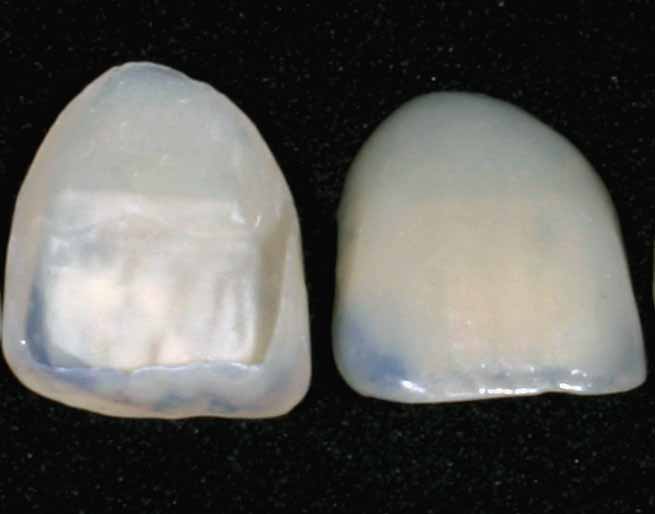
If you've chipped a tooth, then along with structural corrections, you may want cosmetic corrections as well--especially for teeth that are seen when you smile. The question is, do you need fillings, bonding, or veneers? This can depend on a number of factors. If nerves have been damaged, you may need an extraction or endodontic treatment (e.g. root canal) and a filling. If you have multiple teeth that have been chipped, you may want to consider veneers. But for just a single tiny chip, then bonding is the way to go since it is inexpensive and only takes one visit.

As you can see, the descriptor "chipped tooth" can describe a number of ailments. A post at The Daily Grind goes into more detail as to why a "chipped tooth" can produce many different restorative options:

Deciphering the Meaning of ‘I Chipped a Tooth’

I know this is something you hear all the time: “I chipped a tooth.” This can mean so many things, especially if it is coming from a nondentist.


“I chipped a tooth” in the posterior can be a chip off the marginal ridge next to a class II restoration that you did five years ago. And if you saw this, you might just say, “It is fine,” or you might just smooth it off. Or a broken tooth in the posterior could mean the ling cusp of tooth No. 12 just broke to the gumline and below.


The question that usually comes up at our office is: How do we schedule patients who call and say, “I chipped a tooth.”


I am a doctor who does not like to schedule a “come in and we will see” visit. I know how difficult it can be for people to take time off of work or get a babysitter just so I can tell them, “Yep, you have a chipped tooth, and we can see you in three weeks to take care of this.”


Sometimes I schedule 50 minutes for a chip on the anterior that you couldn’t see with a microscope, or I might schedule 20 minutes for a “chip” when, actually, a child fell off his bike and “chipped” the heck out of teeth Nos. 8 and 9, to the point where the nerves were hanging out.


Because I refuse to do a “look-and-see” appointment, about a year ago, we bought a smartphone for the office. First, we bought it to be able to send text messages to people to confirm their appointments. We all know that calling someone at home and leaving a message on their voicemail is about as effective as sending a smoke signal (but we tried for 10 years). And nearly everyone has a smartphone these days, and everyone sends text messages (except for Grandma Nel, who we still just call). Now that we have this designated smartphone, we just ask people to send us a photo of the tooth via text message

Read the full blog post here . . .

As you can see, if patients do chip their teeth, they should be concerned about setting up the right appointment first before settling on veneers, bonding, etc. If there is a dental emergency and severe trauma, saving the tooth's integrity is paramount and you need to call your dentist right away. Because some enamel injuries are difficult to spot, your dentist may send you to another specialist first. One study showed that some specialists may have better imaging equipment that could help identify chips:

Which imaging system is better for diagnosing tooth cracks?

When it comes to examining images of a tooth and identifying a crack, should you use periapical radiography or cone-beam CT (CBCT)? Also, who is better trained to identify these cracks on images, an endodontist or a radiologist?


Researchers from China noted that cracks in teeth present practitioners with a challenge in designing a treatment plan. Using both periapical radiography (PR) and CBCT, they investigated the best imaging method to identify these cracks while also comparing the performance of different practitioners (PLOS One, January 4, 2017).


"In clinical practice, it is a huge challenge for endodontists to know the depth of a crack in a cracked tooth," the authors wrote . . .Early enamel cracks have no obvious symptoms and may not be visible on examination. Yet they can lead to patients coming to your office because of pulpitis, periapical periodontitis, or even root fracture. As creating an appropriate treatment plan and assessing the long-term prognosis for these teeth can be difficult, there's a need to understand the best way to diagnose this condition . . .


"Within the limitations of this study, on an artificial simulation model of cracked teeth for early diagnosis, we recommend that it would be better for a cracked tooth to be diagnosed by a radiologist with CBCT than PR," the authors concluded.

Read the rest of the study here . . .

Once the severity of the tooth chip has been identified and the structural integrity checked out, and once you've visited any specialists (e.g. radiologists), then you can start looking at bonding, veneers, and the like. Take a look at dentaloasisofoc.com/cosmetic-dentistry/veneers/ for more information.

Image Credit

The following article Veneers, Fillings, or Bondings? Depends on Your Chipped Tooth was originally published on: http://www.dentaloasisofoc.com


Dental Oasis Of Orange County
7777 Edinger Ave #232
Huntington Beach, CA 92647
(714) 894-7700
drtoorani@dentaloasisofoc.com

Google My Business Listing
Google Map
Directions to our office
Yelp Page
Facebook
Twitter

Friday, January 27, 2017

Sedation Dentistry Depends on a Number of Factors

WebMD says that a dental phobia is more serious than just feeling a little anxious about going to the dentist. People who suffer from this phobia can have panic attacks or even avoid dental visits for years. So the quick fix is to undergo sedation dentistry, right? The answer is "it depends." There isn't a one-size-fits all way for sedation, so if you've been avoiding the dentist for years and want to go this route, you should learn about the different types (gas, oral sedatives, IV, etc.) that you can undergo:

Is Sedation Dentistry Right for you?

With sedation, the dentist administers a drug before or during the dental procedure. Only one type — general anesthesia — renders the patient completely unconscious. The other forms will relax you, but won’t knock you out completely.


The most common types of sedation dentistry include the following:

  • Nitrous oxide: A gas that relaxes you during the procedure. It wears off quickly, so your dentist might let you drive yourself home after the appointment.
  • Oral sedatives: Oral sedatives, such as diazepam, also help relax patients during dental procedures. You typically take them an hour or so before your appointment. You’re fully awake but less anxious, and you might feel a little sleepy until it wears off.
  • Intravenous sedatives: Intravenous, or IV, sedatives can put you in varying stages of consciousness. This is also known as general anesthesia and, as mentioned above, will put you into a deep sleep until it wears off. Other IV drugs, however, can put you into a “twilight sleep.” You’re less aware of your surroundings, you might feel sleepy, and you might not remember much of the procedure once it’s over.


Some patients assume that general anesthesia offers the best solution. However, it also comes with more potential side effects than the other methods, so you might want to consider a lesser form of sedation dentistry . . .

Read more at 123dentist.com . . .

As you can see, if you have many allergies, any secondary health conditions, and/or have had bad interactions under anesthesia in the past, you may unfortunately not be a good candidate for sedation dentistry. It's best to talk about all your options with your dentist however. As 123dentist.com says, your provider may still be willing to let you undergo this route if you take oral sedatives that don't completely knock you out.

If you do get the go-ahead, you and your dentist may also want to talk about which anesthetics typically have the best results. For instance, drbicuspid.com says that while every practitioner may have a personal preference at their office, some patients do better on one drug than another. For instance, one study showed that patients were able to come out of sevoflurane anesthesia easier, but that there weren't many intense side effects (e.g. vomiting) for propofol anesthetics:

Which Dental Anesthetic Do Patients Prefer?

Every practitioner has a preference for which anesthetic to use for adult patients with severe dental anxiety. But, of sevoflurane or propofol, which do patients prefer?


"We, therefore, performed a crossover study to determine which was more preferable for ambulatory anesthesia between propofol and sevoflurane based on the comparison of the recovery profile and patient satisfaction after anesthesia," Keita Ohkushi, DDS, PhD, and co-authors wrote.


Dr. Ohkushi is an assistant professor in the department of dental anesthesiology at the Tokyo Dental College.

Fatigue cited


Every office has adult patients who are severely anxious at the thought of treatment. These patients sometimes need to be anesthetized for treatment to occur. So researchers from Japan wanted to see which anesthetic patients preferred for ambulatory anesthesia: propofol alone or sevoflurane alone. Both are currently used for ambulatory anesthesia, and patients emerge rapidly after discontinuation.


“Propofol may be more suitable for ambulatory anesthesia for dental treatment.”

— Keita Ohkushi, DDS, PhD, and co-authors

The study included 20 adult patients with severe dental anxiety who needed at least two dental treatments. All patients received both propofol and sevoflurane in this study, allowing for a direct comparison. No coadministered drugs were used.


Anesthesia was induced with propofol (1% Diprivan injection kit, AstraZeneca) with predicted effect site concentration at 3.5 ?g/mL in the patients who received propofol. In the sevoflurane group, anesthesia was induced with 3% sevoflurane (Sevofrane, Abbott Japan) using a face mask with supplemental oxygen at 6 L/min.


The effect site concentration of propofol and inhaled concentration of sevoflurane were adjusted to maintain bispectral index monitoring (BIS) value at 40 to 60 under inhalation of oxygen at 1 L/min and air at 3 L/min. Patient observation was done in the emergence phase, the recovery phase, and 24 hours after discharge.


The authors reported that time to emergence was shorter with sevoflurane anesthesia than with propofol anesthesia, but they found no difference in time to full recovery.


No participants in the propofol group reported nausea or vomiting during the recovery phase, while three of 20 in the sevoflurane group did. The average time to discharge was slightly faster for the propofol group (169 ± 45 minutes compared with 176 ± 48 minutes). The authors also reported no differences between the groups in time to first meal or fluid, on telephone follow-up about 24 hours afterward.


When asked on follow-up about satisfaction and preference, the 16 patients said they would choose propofol, and four said they would choose sevoflurane in the future . . .

Read more from the study here . . .

If you're phobias are getting in the way of your preventative care, don't hesitate to talk with your dentist about your options. Learn more at dentaloasisofoc.com/preventive-dentistry/

Image Credit

Sedation Dentistry Depends on a Number of Factors was first published on: http://dentaloasisofoc.com/


Dental Oasis Of Orange County
7777 Edinger Ave #232
Huntington Beach, CA 92647
(714) 894-7700
drtoorani@dentaloasisofoc.com

Google My Business Listing
Google Map
Directions to our office
Yelp Page
Facebook
Twitter

Wednesday, January 25, 2017

Going into Healthcare in a Low-Income Community? Consider Dental Therapy


If you are planning on going to school or rethinking your career path, you may want to consider dentistry. Like many other health sectors, there is certainly a need; but unlike other sectors, Americans want to see their dentists more than other practitioners:

Dentists Top the List of Health Practitioners Americans Want to See More Of

Here is some interesting information that was discovered by Delta Dental Plans Association.  It seems that Americans would like to see a dentist more often than they currently do [dentists at 41%, dermatologists at 28%, gynecologists at 25%, etc]. The study is full of some really interesting stats and, being a bit of a “stat hound”, I was fascinated by some of the information presented.  Here are 3 really interesting data points:
  • 79% of American adults agree there is a connection between oral health and overall health
  • Adults who are extremely satisfied with their oral health rate there overall wee-being [sic] as very good (48%), compared to those who report they are not satisfied (28%)
  • 63%feel that good oral health helps them feel confident on a daily bases [sic], more so than having clear skin (56%) or being in shape (50%)

Read more at John Flucke's blog here . . .

While both a "want" and "need" are in your favor for this career path, Dr. Brian Browne says that many dental services--even ones on Medicaid--were dropped on people's insurance policies. So even if people need and want care, they may have to find alternative routes.

Dr. Browne says that if more basic services could be provided, then low-income families wouldn't have such severe problems when they finally are able to see a dentist. You can learn more about this issue in the following video provided by abcnews.com:

[embed]http://video-cdn.abcnews.com/120228_BROWNE_DENTAL.mp4[/embed]

One possible solution--if you want to work in a low-income community--is to look at dental therapy training. Like hygienists or nurses, dental therapists play more supportive roles at a dentist's office. They are also able to provide the most commonly needed services, such as teeth cleanings. Although some people are hesitant about their credentials since dental therapists aren't as common in the U.S. as other countries, these people are trained to handle a variety of pediatric and preventive procedures. If there were more dental therapists to help, many treatments could be more affordable.

Drbicuspid reported a survey recently that says that many U.S. voters support this occupation and its benefits:

Survey: 80% of U.S. voters support dental therapists

Americans overwhelmingly support the concept of dental therapists, according to the results of a recent phone survey. Interviewers asked thousands of registered U.S. voters if they would like a new type of midlevel provider similar to a nurse practitioner, and 80% of respondents said yes . . .


Critics are concerned that dental therapists will not provide the same standard of care as a dentist. They also tend to be skeptical that therapists can increase access to dental care or reduce costs.


Meanwhile, proponents of midlevel providers point to evidence that dental therapists effectively reduce untreated caries, not only in the few U.S. states that have approved their use but also abroad. In addition, support for midlevel providers appears to be gaining momentum.

To learn more about dental career paths, talk with professionals at dentaloasisofoc.com/preventive-dentistry/ for tips or to get a feel for different services.

Image Credit

The following blog post Going into Healthcare in a Low-Income Community? Consider Dental Therapy was first published to: http://www.dentaloasisofoc.com/


Dental Oasis Of Orange County
7777 Edinger Ave #232
Huntington Beach, CA 92647
(714) 894-7700
drtoorani@dentaloasisofoc.com

Google My Business Listing
Google Map
Directions to our office
Yelp Page
Facebook
Twitter

Friday, January 20, 2017

Mouthwash Has Many Benefits . . . in Moderation

Mouthwash products have come a long way over the years. While many people just use them to cure bad breath, they can be used to

  • clean nooks and crannies missed by flossing/brushing
  • kill bacteria that decay teeth
  • re-mineralize enamel
  • whiten teeth
  • reduce inflammation, or early gingivitis

And drbicuspid.com posted a study recently that showed that mouthwashes (specifically Listerine) could actually reduce bacteria responsible for STIs:

Can Listerine prevent STIs? Researchers want to find out

Rinsing with the antiseptic mouthwash Listerine for one minute can significantly reduce the prevalence of gonorrhea-causing bacteria, according to a new study. Now, researchers want to know whether Listerine can also help prevent the spread of sexually transmitted infections (STIs).


"If Listerine has an inhibitory effect against N. gonorrhoeae in the pharynx, it could be a cheap, easy to use, and potentially effective intervention for gonorrhea prevention and control," wrote the authors, led by Eric Chow, MPH, PhD. Chow is a senior research fellow at the Melbourne Sexual Health Clinic.

With all these positive attributes, you may think that there are no side effects of mouthwash. However, these products still need to be taken in moderation. According to another drbicuspid article, mouthwash not only kills bad bacteria, but good bacteria as well:

What do you tell your patients about mouthwash?

Yes, I tell them antibacterial mouthwash kills bacteria. Yes, bacteria can cause gum disease. Yes, you should want healthy gums.


But you know that bacteria serve many purposes in the mouth, when the good bacteria balance out the bad kinds. Healthy gums are dependent on a healthy balance of bacteria. One underrated bacterial benefit is to allow a specific pathway of digestion to occur that is critical for health.

Mouth bacteria

When bacteria are killed indiscriminately, both harmful and good bacteria are killed, and the mouth's delicate balance of bacteria goes awry. This means that tooth decay and gum disease may be more likely to occur.


To address their concerns, I talk with my patients about the benefits of mouth bacteria and the unique role they play in the chemical pathway of certain foods. Specifically, the chemical pathway of "nitrate-to-nitrite-to-nitric oxide" is dependent on specific anaerobic bacteria in the mouth . . .


So I tell my patients, if you kill the bacteria in your mouth and on your tongue with antiseptic mouthwash, salivary nitrates wouldn't be converted into nitrites. With less nitrites in your system, you would produce less beneficial nitric oxide.

So perhaps mouthwash moderation is key. But, it seems that this article also makes a point of saying that you can still use mouthwash as long as you replace good bacteria and take in foods that can produce nitric oxide (e.g. leafy greens).

For more information about other preventative dentistry methods, look at dentaloasisofoc.com/preventive-dentistry/

Image Credit

Mouthwash Has Many Benefits . . . in Moderation is republished from: Dental Oasis Dental Blog


Dental Oasis Of Orange County
7777 Edinger Ave #232
Huntington Beach, CA 92647
(714) 894-7700
drtoorani@dentaloasisofoc.com

Google My Business Listing
Google Map
Directions to our office
Yelp Page
Facebook
Twitter

How Does GERD Affect Senior Patients’ Oral Health?


Everyone's heard of heartburn, and often associate the symptom with large meals and certain foods (e.g. fried and fatty foods). While it's true that diet does come into play for heartburn, the symptom can be the beginnings of a larger issue: gastroesophageal reflux disease (GERD).

When you swallow food, it goes from the esophagus to the stomach. At the bottom of the esophagus there is a valve that opens when you swallow and then closes after. But when this valve becomes weaker or becomes stuck (like in the case of a hernia), stomach acid can splash back up and damage the lining. In severe cases, you may regurgitate food and even have stomach acid come back up in your throat and mouth. You can learn more about the basics in the following video:

[embed]https://www.youtube.com/watch?v=TdK0jRFpWPQ[/embed]

While GERD can happen to anyone, even babies, it is quite common in the aging population. According to NCBI, those in their 50s, 60s, 70s, or 80s have physiological changes that can make it difficult to sense acid in the esophagus, so they may not get help until damage has already been done.

And besides being horrible for the digestive tract, GERD can be horrible for seniors' oral health since it can cause dry mouth (which can lead to the growth of bacteria) and since regurgitated acids can wear down enamel. Making sure senior patients don't have GERD is imperative since this demographic already struggles with tooth wear due to aging:

Oral issues you need to be aware of as you get older

Wearing down enamel

All the chewing, grinding, and hard impact that your teeth are put through over the years can take a real toll on their health. Not to mention any breakages, chips, or other trauma your teeth may have been exposed to which may result in even worse consequences down the line. Over time your teeth are gradually worn down from continued use or from damage, and this erosion diminishes the hard protective outer layer of teeth – the enamel – which cannot be naturally regained once it’s lost.


To combat enamel loss, be aware of habits that may be speeding up damage done to your teeth and try to stop them as soon as possible. These habits included chewing ice or other hard things like pens and pencils, grinding your teeth, clenching your jaw, and playing high impact sports without an athletic mouthguard. If you are prone to unconscious teeth grinding or clenching, ask your dentist about being fitted for a mouthguard you can wear while sleeping to protect your teeth. Frequent consumption of highly acidic foods such as fruit juices, citrus fruits, coffee, and soft drinks is also a culprit for enamel erosion as the acids eat away at the protective layer. Try to substitute water for acidic beverages and brush your teeth 30 minutes or so after consuming acidic foods to stop the acids from attacking your teeth before they can start. Since the acids weaken enamel, waiting before brushing is important to avoid causing extra harm.

As you can see, 123dentist.com has some good tips for reducing additional tooth wear. GERD can also be managed with certain lifestyle choices. The main issue is that many seniors need to take medications as they age--many of which can cause dry mouth and GERD as symptoms. One way to combat the issue is through salivary stimulants, according to John Flucke's dental tech blog:

Study Shows OraCoat® XyliMelts® Oral Adhering Discs Effectively Treat Acid Reflux

Gastro-esophageal reflux disease (GERD), more commonly known as acid reflux, describes a chronic digestive condition in which an accumulation of stomach acid in the esophagus creates symptoms. Acid reflux affects about 30 percent of the population on a weekly basis and is known to contribute to or cause a number of medical and dental problems including heartburn, sore throat, laryngitis, cough, halitosis, and tooth decay. The condition is also associated with sleep disturbance and can have a negative effect on nighttime comfort and overall quality of life.


The study aimed to prove if XyliMelts, recently rated by a Clinicians Report® survey as the most effective remedy for alleviating dry mouth could produce similar results in treating patients suffering from acid reflux, which is often managed by prescribed and over-the-counter medications that prevent excessive acid production . . .


XyliMelts are formulated from all-natural ingredients commonly used in foods. As tests prove that salivary stimulants can decrease the perception of nighttime dry mouth, tests also suggest increased saliva can diminish nighttime reflux . . . Test results displayed that both the disc and gel reduced the taste of reflux, heartburn sensation, morning hoarseness, perceived reflux severity, and the number of antacids taken during the night.

Read full blog post here . . .

Salivary stimulants can decrease dry mouth, which in turn allows saliva to take care of any regurgitated acids. Along with this solution it is important for seniors to still see their dentists regularly for preventative cleanings. Teeth cleaning and fluoride treatments are vital for strengtehing any enamel that has been worn down by acid. Take a look at dentaloasisofoc.com/preventive-dentistry/teeth-cleaning/ for more information.

Image Credit

The post How Does GERD Affect Senior Patients’ Oral Health? is available on: www.dentaloasisofoc.com


Dental Oasis Of Orange County
7777 Edinger Ave #232
Huntington Beach, CA 92647
(714) 894-7700
drtoorani@dentaloasisofoc.com

Google My Business Listing
Google Map
Directions to our office
Yelp Page

Facebook
Twitter

Friday, January 13, 2017

Seniors Should Focus on Oral Cancer Prevention

The dental school at UCSF published an interesting article yesterday that discusses the side effects of radiation therapy for head/neck cancers--namely the loss of saliva production. However, they've been able to rebuild these structures again in mice--hopefully success in human study participants will follow one day!

In the meantime, those who've undergone this kind of treatment still have to deal with permanent dry mouth. Why is this such a problem? They've exchanged one oral health problem for another. Even if oral cancer goes into remission, permanent dry mouth means that individuals don't have the body's natural mouth-cleaning agent anymore; and, they may need to stay on medication to mitigate the possibility of tooth decay and periodontal disease. Dry mouth is just one "small" issue of oral cancer, patients my have to undergo treatments to remove portions of their tongue, voicebox, or even jaw tissue.

Because oral cancer can cause such devastating effects, even after treatment, patients--especially high-risk seniors--need to know what they are facing and what to look for:

Oral Cancer: What You Need to Know

Oral cancer is the sixth most common cancer, accounting for 30,000 newly diagnosed cases each year – and 8,000 deaths. If not diagnosed and treated in its early stages, oral cancer can spread, leading to chronic pain, loss of function, facial and oral disfigurement and even death.

Who gets oral cancer?

Anyone can get oral cancer. Heavy drinkers and people who smoke or use other tobacco products are at higher risk. Though it is most common in people over age 50, new research indicates that younger people may be developing oral cancers related to human papillomavirus (HPV).

Early detection can save

The good news? The earlier oral cancer is detected and treated, the better the survival rate – which is just one of the many reasons you should visit your dentist regularly. Twice-yearly dental checkups are typically covered with no or a low deductible under most Delta Dental plans.

As part of the exam, your dentist will check for oral cancer indicators, including feeling for lumps or irregular tissue in your mouth, head and neck. A biopsy will be recommended if anything seems concerning or out of the ordinary.

You can learn more about oral cancer screenings at dentaloasisofoc.com/preventive-dentistry/oral-cancer-screenings/

Even though this cancer is common in seniors (and those who drink or smoke heavily), the good news is that it doesn't have to get out of hand. Dental prevention is key. So what's the bad news? The bad news is that only a minuscule amount of American seniors actually has dental care that could help prevent cancer:

Infographic: U.S. Seniors Lack Dental Care

A new study published in the December edition of Health Affairs analyzed access to dental care for Medicare beneficiaries, and the findings don't look good. Only about 10% of older U.S. adults have dental insurance, and, of those who do, they still pay half of all their dental costs out of pocket.


The researchers looked at Medicare data to see how seniors with different income levels and types of insurance access dental care. They attributed the overall lack of coverage and high percentage of out-of-pocket spending to larger policy trends, including the exclusion of dental care in Medicare and the changing of insurance benefits for retirees.


"Despite the wealth of evidence that oral health is related to physical health, Medicare explicitly excludes dental care from coverage, leaving beneficiaries at risk for tooth decay and periodontal disease and exposed to high out-of-pocket spending,"


"Until dental care is appropriately considered to be part of one's medical care, and financially covered as such, poor oral health will continue to be the 'silent epidemic' that impedes improving the quality of life for older adults."

Dentists and insurance providers should work closely with their patients on flexible payment plans and policies. And patients need to be educated and more concerned about their oral health as they age. No one should have to suffer such severe symptoms and treatments when they could have easily been checked out by a dentist in the beginning!

Image Credit

The article Seniors Should Focus on Oral Cancer Prevention is courtesy of: Dental Oasis Dental Blog


Dental Oasis Of Orange County
7777 Edinger Ave #232
Huntington Beach, CA 92647
(714) 894-7700
drtoorani@dentaloasisofoc.com

Google My Business Listing
Google Map
Directions to our office
Yelp Page
Facebook
Twitter

The Pros and Cons of Fillings: Will They Be Used in the Future?

In the past, dental patients were limited in their filling options to just silver amalgam. This filler has been used to restore tooth decay since the very beginning of the dentistry profession. While there are some opponents of amalgam, due to the possible environmental and health issues, people are mainly shifting away from this option because they want aesthetic options.

Some people prefer ceramic, since they are nigh invisible. The downside is that these kinds of fillings may not be covered by insurance. The happy medium between the two is composite fillings. Not only are they aesthetically pleasing, but they are more affordable. You can learn more about composite fillings at: dentaloasisofoc.com/general-dentistry/fillings/

However, even though each filling option has its pros and cons in regards to price, durability, etc., nothing can beat the natural structure of enamel. In fact, some patients may want to remove some of their old amalgam fillings, but their dentists may recommend that they don't since the removal may necessitate the removal of some enamel also.

If patients can, they should try not to rely on fillings to fix their problems, but try to work on preventative care. Lori Roniger--an editor for a dental site--says that there are options that can increase the effectiveness of preventative care:

Which Treatments are Most Effective for Caries Prevention?

The most widespread diseases in "civilized populations," with a prevalence of 40% in 7-year-old boys and 85% in 17-year-old boys, the study authors noted. However, some evidence has shown that dental caries incidence in 5- to 17-year-olds has decreased around 36% in recent decades, with half of children caries-free.

With that in mind, the researchers from Italy conducted a comprehensive literature search in four databases for systematic reviews of treatments for preventing caries conducted by "renowned" scientific institutions and published from 2002 through 2015.

They found 30 eligible systematic reviews that met all of the study's requirements, 20 of which were conducted by the Cochrane Oral Health Group. Four researchers independently reviewed the articles that were identified.

The researchers summarized the results of the reviews, dividing them into three categories by treatment:

  • Fluoride gel, toothpaste, and mouthrinses
  • Pit-and-fissure sealants
  • Fluoridated supplements, water, and milk

Overall, they found that topical application of fluoride gel and fluoride supplements appear to be convenient and inexpensive methods of reducing caries. Also, pit-and-fissure sealants and fluoride varnishes appear to effectively reduce caries risk, they concluded. Read full article here . . .

Although sealants are mainly recommended for children, if they are so effective at reducing caries, then why shouldn't adults get them as well? In the meantime, this study shows that keeping good oral hygiene is the easiest method at your disposal to avoid caries and the need for fillings.

And even if a patient has fillings to repair a cavity, that doesn't mean that the filling acts as a barrier (like sealants). There could even be future decay in the same tooth . . . which brings us to the question: besides fillings, will there ever be other options to help decay if preventative measures fail? According to one study, the answer is yes:

Study Offers New Treatment for Larger Caries

January 9, 2017 -- Soon you might be treating your patient's caries with a collagen sponge filled with a drug -- first tested to treat Alzheimer's patients -- that stimulates the natural ability of teeth to restore dentine.

A study published January 9 in Scientific Reports by researchers in the U.K. documented a new method of stimulating the renewal of living stem cells in tooth pulp. While still needing human clinical trials, this approach may allow large cavities to be repaired without the use of cement or fillings.

"The simplicity of our approach makes it ideal as a clinical dental product for the natural treatment of large cavities, by providing both pulp protection and restoring dentine," stated lead study author Paul Sharpe, PhD, in a press release. "In addition, using a drug that has already been tested in clinical trials for Alzheimer's disease provides a real opportunity to get this dental treatment quickly into clinics."

Sharpe is the head of the craniofacial development and stem cell biology division at the King's College London Dental Institute . . .

After removing caries decay, a tooth's soft inner pulp is exposed, and a natural dentine repair process begins. This process uses a form of stem cells in the patient's mouth that becomes new cells. These cells release a form of reparative dentine, according to the study authors. Read the full here . . .

Even though this kind of technology to repair tooth damage may not be around immediately, it is pretty nice to know that patients won't always need to weigh the pros and cons of filling materials. And if a patient does all they can to prevent decay and it still happens, it's nice to know that dentistry will continue to evolve to help people maintain as much of their teeth's integrity as possible.

Image Credit

The Pros and Cons of Fillings: Will They Be Used in the Future? was originally seen on: Dental Oasis Dental Blog


Dental Oasis Of Orange County
7777 Edinger Ave #232
Huntington Beach, CA 92647
(714) 894-7700
drtoorani@dentaloasisofoc.com

Google My Business Listing
Google Map
Directions to our office
Yelp Page
Facebook
Twitter

Friday, January 6, 2017

Isn’t Mouth Breathing Harmless? It Can Cause TMJ Disorders & More . . .

Is mouth breathing such a big deal? Well if you are doing hard exercise or if you have a cold and are stuffed up, then yes, of course it is normal to breathe through your mouth. However, if you breathe out of your mouth often instead of your nose, you may have an underlying problem (e.g. too much lymphoid tissue in the oral cavity), or you may be causing more problems!

For instance chronic mouth breathers may actually develop TMJ disorders. If you've had this habit since you were very little, then your jaw may have developed in such a way that not only are your teeth out of your alignment, but the disc in the temporomandibular joint is out of alignment as well.

If you can safely rule out mouth breathing, Drbicuspid.com has some other ideas as to what may be causing your TMJ. Either way, TMJ from mouth breathing can extra stress, disturbed sleep, headaches, other issues:

8 possible causes of your patient's jaw pain

As a periodontist, I frequently treat temporomandibular joint (TMJ) pain or temporomandibular disorders (TMDs). Many of the causes of this type of jaw pain also can damage the jawbone around the roots of teeth.

In my experience, between 60% and 70% of adults have experienced some symptoms of TMD. Their most frequent complaint is pain either in the jaw joint or the jaw muscles. Patients often experience discomfort when opening their jaw, along with popping and cracking sounds in the jaw joints when opening and closing. Some patients also experience buzzing or ringing sounds in their ears.

TMDs are multifactorial, and their sources may be difficult to identify. I initially focus on the following eight related causes for TMDs:

  • Trauma (such as a car accident) involving the jaw joint, which could damage the joint structures
  • Clenching and grinding the teeth
  • Teeth that have been improperly restored or are out of alignment
  • Poor nutrition and unhealthy digestion, which could cause chronic inflammation and affect all joints in the body, such as in patients with rheumatoid arthritis
  • Emotional stress, such as illustrated by a study by Lei and colleagues in Cranio (April 28, 2016).
  • Lack of sleep
  • Excessive estrogen, although studies vary
  • Infection in the joint

Many factors affect jaw pain. The more obvious causes should be explored first. If grinding habits or bite problems exist, these must be corrected. Stress reduction, restorative sleep, and good nutrition to provide proper hormone balance must be implemented to reduce TMD symptoms. If symptoms persist, other treatment options should be considered to make the patient comfortable. Read full article here . . .

You may think that TMJ is the worst of it, but believe it or not, there are even more issues due to mouth breathing. NBC News interviewed a Dr. Yosh Jefferson, an orthodontist, who has listed a litany of potential problems:

'Mouth-breathing' gross, harmful to your health

As Dr. Yosh Jefferson, a New Jersey functional orthodontist, explains, "Mouth-breathing also irritates the tonsils and adenoids, so you have a double whammy where the sinuses are congested, which causes further blockage of the upper airway." Now you really can't breathe out of that nose. What's more, when you take in oxygen through your nose, it passes over the mucous membrane and into the sinuses, which produces nitric oxide, which your body needs for all the smooth muscles, like your heart and your blood vessels. So when you're not breathing through your nose, your blood actually isn't getting all the oxygen it needs to function properly.

Jefferson believes breathing though the mouth is often an overlooked root cause of many health and behavioral problems, particularly in school-age kids. ("Just think of the child," he says. "How do you think they’re doing in school? These kids are tired, they’re irritable, they can’t concentrate in school. And a lot of these kids (may be) diagnosed with ADD and hyperactivity.")

But here's the absolute weirdest thing that mouth-breathing can cause: It can actually change the shape of kids' faces, according to a report Jefferson published last year in the journal General Dentistry. "Severe mouth breathers develop what they call long face syndrome -- long, narrow faces, very unattractive facial features. Also if their tonsils are swollen, they sometimes position their jaw in weird ways in order to get more oxygen into their bodies. It can happen in adults as well ... but it’s more prominent in children," Jefferson says. "People think they grew to this face because of genetics –- it’s not, it’s because they're mouth-breathers." It's reversible in children if it's caught early -- an orthodontist might use a device to expand the jaw, which will widen the mouth and open the sinuses, helping the child breathe through the nose again. (This can be done in adults, too, but it's more difficult.)

"It's best to treat them early," Jefferson says. "It drives me crazy that there are so many kids who are mouth breathers and no one is doing anything about it. Read full article here . . .

It's pretty staggering to find out that something as simple as keeping your mouth open could possibly affect your appearance--something we usually chalk up to genetics. However, because children are growing rapidly, their facial structures can change quickly as well. If you've been mouth breathing for a long time, you may have a recessed chin, a narrower face and jaws, a gummy smile, and less prominent cheekbones. Some of these problems can be fixed with cosmetic surgery and orthodontics.

Besides cosmetic differences, mouth breathing puts you at greater risk for bad breath, colds, gingivitis, and digestive issues due to oxygen deprivation. As you can see, it's important for you to go to get an oral exam to see if your mouth breathing is the root of the problem, should you present with other symptoms.

A dentist can fit you with a mouthguard for either daytime or nighttime wear if you put lots of pressure on your jaws. And again, you can look into orthodontics for cosmetic corrections (although there is little scientific evidence that this will fix the mouth breathing).

Lastly, you may want to get in touch with a myofunctional therapist. These therapists can help you correct any bad habits with swallowing and other facial muscle patterns.

Image Credit

The blog post Isn’t Mouth Breathing Harmless? It Can Cause TMJ Disorders & More . . . is courtesy of: Dental Oasis


Dental Oasis Of Orange County
7777 Edinger Ave #232
Huntington Beach, CA 92647
(714) 894-7700
drtoorani@dentaloasisofoc.com

Google My Business Listing
Google Map
Directions to our office
Yelp Page
Facebook
Twitter

How Low-Income Families Can Receive Better Dental Care

Even though measures have been made to help more and more people receive healthcare, many people still struggle to pay for it. In fact, many families may just take the tax penalty instead since some premiums are too high! To make matters more complicated, some policies don't even cover dental, and some people think that that aspect of healthcare isn't quite as important.

While better dental education is certainly in order, what can be done to help low-income families receive care? There are many possibilities, according to one study:

Utah Kids Score Poorly on Oral Healthcare

We know oral health diseases are largely preventable, yet we are moving in the wrong direction," noted Shaheen Hossain, PhD, the primary author of the report, in a statement. "Along with increasing the access to needed services, we still need to educate parents on the importance of oral hygiene, nutritious diets with fewer sugary beverages, and getting routine dental care . . .

They recommended several strategies to improve the oral health of children in Utah:

  • Increasing access to dental insurance and care
  • Enhancing the public's understanding of the importance of oral health and its benefits to overall health and quality of life
  • Improving coverage by educating families about Children's Health Insurance Program (CHIP), Medicaid, and other dental insurance
  • Expanding access to community water fluoridation
  • Expanding school-based caries prevention activities, such as fluoride varnish and sealant programs in elementary schools
  • Providing better incentives and reimbursements to dental practitioners who see low-income people
    Focus on closing the dental care access gap by increasing awareness of existing community resources

Read more here . . .

While the study, again, has some good strategies, the first (Increasing access to dental insurance and care) seems a bit obvious. How do we do that? One way is for dental offices to be more flexible and creative with their payment plans. Another way is for families to visit dental schools, which provide quality care and affordability for the price of time due to the work being conducted by students.

However, a study presented by Lori Roniger has another idea. The authors of the study were looking at the cost-effectiveness of sealant programs (which were also recommended in the previous Utah study). The authors of the study assume that since many low-income families will not have access to restorative care any time soon, that the best way for long-term dental health is through preventative means.

Since many children--not just ones from low-income families--suffer from cavities, dental sealants are a fantastic preventative measure:

3 Reasons to Consider Sealants for Your Child

Cavities are the most common chronic disease among children and that untreated decay affects 19.5% of 2- to 5-year-olds and 22.9% of 6- to 19-year-olds.


Luckily there are sealants, which can reduce childhood tooth decay by more than 70%. A dental sealant is a thin, plastic coating that prevents food and bacteria from getting stuck in the grooves and pits of molars and premolars.


It’s recommended children get sealants once they get their permanent teeth. Here are 3 reasons why:
1. Extra Protection

Children are just learning about dental hygiene and may not be properly removing food and plaque from every nook and cranny. Sealants will provide extra protection during these cavity-prone years.
2. Easy and Painless

If your child gets nervous at the dentist, rest assured that sealants are a painless and quick procedure. There are no needles and no drills, and the whole process takes 15 minutes on average.
3. Long Lasting

Sealants can last for up to 10 years! Make sure to periodically check in with your dentist to ensure that your child’s sealants are still intact and don’t have any chips or cracks.

Read full article here . . .

Because sealants don't take a long time to place, many school districts with low-income families are able to provide this service for children. And even if your school district doesn't provide this service, saving money for it would be well worth it since the sealants last so long and provide enamel protection.

In fact, the study that showed that sealant programs were cost effective also found that if about 1000 kids had sealants, then that would potentially reduce almost 500 fillings and over 130 toothaches annually! Although restorations are wonderful blessings, nothing can replace the strength of enamel. Plus, if families cannot see the dentist often, then preventative procedures are key.

Image Credit

How Low-Income Families Can Receive Better Dental Care was first seen on: http://dentaloasisofoc.com/


Dental Oasis Of Orange County
7777 Edinger Ave #232
Huntington Beach, CA 92647
(714) 894-7700
drtoorani@dentaloasisofoc.com

Google My Business Listing
Google Map
Directions to our office
Yelp Page
Facebook
Twitter

Friday, December 30, 2016

Is the Media Pulling the Rug Out From Under Dentists?

At the beginning of the month, ASDAblog.com published a disconcerting article about how different media outlets have portrayed dentists lately. For instance, the site brings up RD's article called "How Dentists Rip Us Off," and talks about how many news resources illustrate dentists as professionals who only care about their bottom line and not their patient's interests.

Not only do these articles drag dentists through the mud in regards to ethics, but some even undercut their professional recommenations. For example, an Associated Press report found that flossing was an ineffective habit; of course, this report frustrated many dentists who were able to cite studies and their own experiences with treatment plans.

So what's the latest attack these days? According to a Donna Domino, a features editor at DrBicuspid.com, the media is portraying fluoridation in a negative light, which is obviously frustrating for professionals trying to help patients with preventative dentistry treatments:

New Fluoridation Society Provides Help to Fight Myths

Johnny Johnson Jr., DMD, president of the newly formed American Fluoridation Society (AFS) got into the fluoridation fight when local officials in his community of Pinellas County, FL, voted in 2011 to discontinue water fluoridation, citing concern that residents might be ingesting too much fluoride . . .


"I thought she was kidding, but she was serious," he recounted. "I explained there's been no literature that found any connection whatsoever between water fluoridation and cancer, and I sent her information. She was blown away by the research and said she had definitely been misled." In another incident, a public health student told him there was "lots of debate about toxins and arsenic in fluoride." Dr. Johnson replied: "There's no debate; the science is crystal clear."


. . . The main thing that healthcare professionals can do is be aware of what's going on in their communities regarding water fluoridation, Dr. Johnson advised. Letters to newspapers and noticing what people are saying about the issue are tip-off's about efforts against community water fluoridation.

Although not directly linked, this concern over fluoridation may be blowback from Flint, Michigan's problems. After all, water safety has been a big topic in the media over the last few years, so it would make sense that people are concerned about everything and anything in their water.

However, even Dr. Murthy--the U.S. Surgeon General--approves water fluoridation due to its oral health benefits. He even cites the CDC, which calls it one of the 10 best health achievements of the previous century.

As you can imagine, many dentists are frustrated by these anti-fluoridation reports, and so Deborah Foote--another contributor of DrBicuspid.com laid out the benefits of this practice:

Second Opinion: No Debate on Community Water Fluoridation

As the U.S. has been fluoridating water systems for 70 years, we have yet to see any evidence of these claimed ill health effects in communities that fluoridate their water. Hundreds of organizations, including the Centers for Disease Control and Prevention (CDC), the American Academy of Pediatrics, the American Academy of Family Physicians, and the American Public Health Association, support community water fluoridation as a proven public health intervention.


Dental disease is the most common childhood disease and is associated with diabetes, adverse pregnancy outcomes, heart disease, and lost school and work hours. Fluoridated water decreases tooth decay by nearly 25% in children and adults, and it saves communities money by reducing costs and lost work hours spent on repairing tooth decay. For most cities, every $1 invested in water fluoridation saves $38 in unnecessary dental treatment costs, according to the CDC.


It is time that this false debate end, and we can put our energies toward solving the real problems facing our communities.

Clearly, fluoridation helps with cost of care, the mitigation of secondary illness, and the reduction of tooth decay. If you have any questions regarding fluoridation or other preventative dentistry practices, be sure to talk with your dentist and do your research.

Image Credit

The following blog post Is the Media Pulling the Rug Out From Under Dentists? was first published to: http://www.dentaloasisofoc.com


Dental Oasis Of Orange County
7777 Edinger Ave #232
Huntington Beach, CA 92647
(714) 894-7700
drtoorani@dentaloasisofoc.com

Google My Business Listing
Google Map
Directions to our office
Yelp Page
Facebook
Twitter

Thursday, December 29, 2016

Want to Be Heart Healthy in 2017? Pay Attention to Your Gums

Like many Americans, you most likely are making one or two resolutions for New Year's. Many Americans make weight-related goals to improve their appearance, but the obvious by-product is of course improved overall health.

While everyone's health is their own business, Americans may want to take heed since The American Heart Association says that one in three deaths in the U.S. is caused by heart-related diseases (stroke, cardiovascular disease, etc.). And not only are these kinds of deaths the top killer in America, but across the globe as well.

Losing weight is a good way to reduce heart disease, since those that carry extra weight around their middle can be at risk. Managing stress, quitting smoking, and other good habits can also lower your risk factors. But did you really give a lot of thought about how your oral health can affect your overall health?

You don't have to look far to find that numerous studies link gum disease with chronic illness. In fact, a post published on December 13th talks about how gum disease is actually linked to gum disease:

Is gum disease a key risk factor for heart disease?

Research has demonstrated a connection between periodontal disease and coronary heart disease (CHD), but the nature of the relationship remains to be determined. To help under this association, researchers have developed a model to illustrate the possible links between periodontal disease and the pathogenesis, hallmarks, and biomarkers of CHD.

While a correlation between periodontal disease and coronary heart disease is well-documented, and there is evidence that periodontal disease is associated with a higher risk of CHD, it remains unclear whether this correlation is due to a causal relationship or a shared underlying disorder, such as inflammation. The researchers sought to deepen understanding about this connection and determine the likely method of action for a possible causal relationship between them. This is important since 30% of the U.S. population has moderate periodontitis, the authors wrote. Read full article here . . .

The following video also goes into more detail about how gum disease can affect the heart:

[embed]https://www.youtube.com/watch?v=zcUoJC-KmYg[/embed]

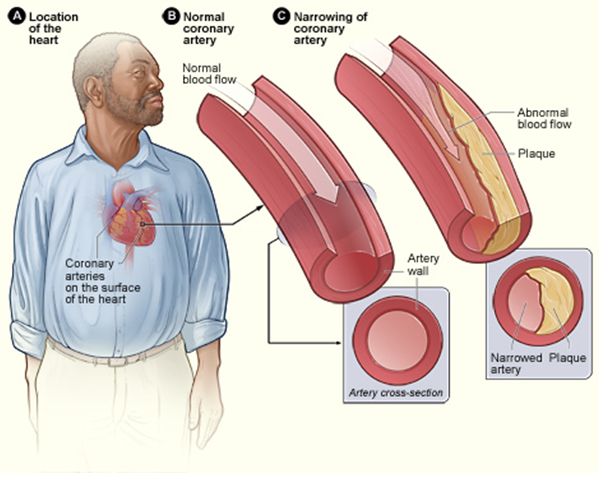
Although the previously mentioned study says that researchers are still unsure about the relationship between the two diseases, the video points out a possible causal relationship. Since gum disease can cause deep pockets in gingival tissue, bacteria can easily get into those pockets and into the bloodstream. As the bacteria passes through the bloodstream, it can actually make little cuts in the arterial walls. When these walls are nicked, they heal into scars that can gather excess cholesterol. And as you can imagine, excess cholesterol means that restricted blood flow.

So what can be done? A visit with a dentist is an obvious but very good place to start. You may have heard of pocket irrigation and scaling and root planing (SRP), but you may have not heard of Arestin. Arestin is an antibiotic has been in lots of studies and has been shown to help those heal from SRP. What's great is that the antibiotic is placed in powder form in gum pockets and will continue to work even after you are done with the procedure by killing bacteria.

While dental treatments are a good way to protect both your gums and heart, taking a look at your diet is also a good idea. Drbicuspid.com released a sampling of studies that were promising:

Can Diet Really Reduce Gum Disease?

. . . for four weeks, their diet consisted of primal foods endemic to their area in Switzerland about 5,700 years ago. No processed foods were available for them to eat. These participants had to gather and forage for the majority of their food. In addition, these individuals were not able to brush or floss their teeth during the entire four weeks. Signs of gum infection were measured, and cultures of bacteria in their dental plaque were taken before and after the study.
At the end of the four-week study, there was a significant decrease in signs of gum disease even though all 10 participants could not brush or floss their teeth for the duration of the study. Although amounts of dental plaque increased, disease-producing bacteria did not increase in the plaque . . .
The participants in [another] experimental group had to change their diet. Their new diet consisted of foods low in carbohydrates, rich in omega-3 fatty acids, and abundant in vitamins C and D, antioxidants, and fiber. The control group participants did not change their eating habits. As far as oral hygiene was concerned, researchers told all 15 participants not to clean between their teeth with dental floss or interdental brushes. However, they did not have to change the way they brushed their teeth.
The four-week study began after each group had a few weeks to acclimate to these changes. Researchers recorded the signs of gum disease in all participants at the start and end of the study.
At the conclusion of the trial, the researchers found that all disease parameters decreased significantly in the experimental group by about 50% from the starting point. In contrast, all inflammatory markers increased from the starting point in the control group. Read more about the studies here . . .

Since a good diet is chock-full of anti-inflammatory, nutritious foods, this kind of diet is really a two-for-one deal. You'll not only improve your gum disease, but you will probably lower your heart disease risk factors. A good diet can help you lose weight, improve your blood pressure, and lower your cholesterol levels.

Image Credit

The following article Want to Be Heart Healthy in 2017? Pay Attention to Your Gums was originally published to: Dental Oasis Of OC


Dental Oasis Of Orange County
7777 Edinger Ave #232
Huntington Beach, CA 92647
(714) 894-7700
drtoorani@dentaloasisofoc.com

Google My Business Listing
Google Map
Directions to our office
Yelp Page
Facebook
Twitter

Thursday, December 22, 2016

What Are SSBs and What Are They Doing to Your Teeth?

In news articles about America's obesity epidemic, you may have seen the initialism "SSB." SSBs are simply "sugar-sweetened beverages"--especially soda-pop, which is a big contributor to weight gain. While many people may think that SSBs are just soft drinks, they can also include purportedly healthy beverages, such as sports drinks, fruit juices, and teas.

This may seem surprising to see healthy drinks categorized as SSBs, but sugar comes in many forms, such as corn syrup, lactose, honey, fruit juice concentrates, molasses, etc. While researchers have pored over SSBs to analyze obesity, they have another ill effect: tooth decay.

While dental fillings can definitely help to mitigate some issues, many cities are looking towards sugar taxes to effect change according to asdablog.com:

Sugar taxes sweep the ballot

How do sugar taxes work?

Sugar taxes raise the price of SSBs. The local government then collects that money to put toward public services, infrastructure improvements and other city costs. A city with a $0.01 sugar tax will see the price of a two-liter bottle of soda increase by about $0.68 and a six-pack of canned soda increase by $0.72. These taxes do not usually apply to milk, 100% juice, baby formula, alcohol or medical beverages.

Do sugar taxes affect health?

A 2016 study published in The BMJ found that following the implementation of a 2014 SSB tax in Mexico, purchases of taxed beverages decreased while purchases of un-taxed beverages increased. A 2016 study published in the Journal of Dental Research also indicated that SSB taxation could reduce caries rates and dental treatment costs. Furthermore, a 2015 study in the Journal of Dental Research notes that while dentistry has focused on increasing oral hygiene and prevention services, recent findings suggest that efforts to decreasing sugar intake to reduce caries should also be increased.

What can dental students do about sugar taxes?

If you live in or attend school in an area with sugar taxes, you can talk to your patients about what they mean. Patients often need help feeling motivated to take action towards improving their oral health and dietary habits. Talking with patients about how they can save money and improve their oral health by drinking tap water instead of soda is a great motivating factor! Informing patients about the true cost of soda may be just the push they need to break their soda-drinking habit.

The studies featured in this article are promising. However, if you do a quick Google search, you will not only find opponents, but other studies that refute the benefits. While sugar taxes may work in theory, there are a couple of issues. One, is the tax is not often high enough to deter people; and two, if the tax is raised, there are lots of complaints against local governments.

If sugar taxes don't work and help people correct their habits, it may fall to dentists, hygienists, and other dentistry professionals to teach their patients about SSBs and their effects. For example, one site just released a blog post about which SSBs to avoid during holiday parties:

7 Yellowing Drinks to Avoid this Holiday Season

Fruit juices

Fruit juices, especially berry or citrus fruit juices, are full acids and sugars. This is a dangerous combination for teeth as the acids break down the outer layer of teeth, exposing the vulnerable dentin, and sugars offer a breeding ground for bacteria which can attack the inner part of the tooth and cause cavities. The yellowing effect can come from both a buildup of bacteria, plaque and tartar and the exposed inner layer of teeth. If you’re looking for hydration, water is the best and healthiest way to quench your thirst.

Carbonated drinks

Any beverage with carbonation is acidic. This is because the bubbles of carbonation are actually carbon dioxide and when you drink it, the gas goes through a chemical reaction in your mouth which turns it into an acid. This acid, again, is very harmful to tooth enamel as it weakens it, makes the tooth more vulnerable, and exposes its yellow inner layers. Pops and carbonated juices with sugar are especially destructive as the sugar promotes the growth of bacteria as well as exposing your teeth to acids. Favour non-carbonated drinks as you enjoy your holiday season and you won’t have to worry about yellowing teeth in the new year.

Again, you may be skeptical about how bad these drinks really are until you get a good look at just how much sugar is in one bottle:

However, you don't have to deprive yourself--you can cut SSBs to improve your oral health and still have tasty beverages. For instance, club soda has a tasty fizzy flavor, but it is infinitely better than other carbonated drinks. If you like fruit drinks, try adding lemon, watermelon, or lime to water. If you still want something sweet, you can dilute some seltzer water with a fruit drink. Yes, it has sugar, but it will be significantly less than a can of fruit juice!

Image Credit

Image Credit

What Are SSBs and What Are They Doing to Your Teeth? was originally published to: http://dentaloasisofoc.com


Dental Oasis Of Orange County
7777 Edinger Ave #232
Huntington Beach, CA 92647
(714) 894-7700
drtoorani@dentaloasisofoc.com

Google My Business Listing
Google Map
Directions to our office
Yelp Page
Facebook
Twitter

Wednesday, December 21, 2016

Saving Your Money: How to Make the Most of Your Dental Plan

With all the traveling, holiday parties, and gifts, it's an understatement to say that many Americans can incur lots of expenses this time of year. If you're one of these people, signing up for healthcare by year's end is probably not your idea of fun. But no one wants to be caught in an emergency situation, so you probably grin and bear it.

Today, more people are signing up for health plans now, an annual survey of dental care from 2013 says that 47% of Americans do not have some form of health insurance.

This same survey also found that 67% of those uninsured Americans actually had a dental issue that needed help, such as fractured teeth and bleeding gums. So, what gives? Many of these people believe that their savings are worth more than their oral health. A recent post at Medline Plus confirms that this choice mainly comes down to cost:

Many Americans Skip the Dentist Due to Cost

Americans are more likely to skip needed dental care because of cost than any other type of health care, researchers report.


Working-age adults are particularly vulnerable, the study found. Some 13 percent reported forgoing dental care because of cost. That's nearly double the proportion of seniors and triple the percentage of children for whom cost poses a barrier to dental care, the study showed.


Cost was the main impediment to dental care even for adults with private insurance. "It seems like medical insurance is doing a better job at protecting consumers from financial hardship than dental insurance," said study author Marko Vujicic. Typically, private dental insurance includes annual maximum benefit limits and significant "coinsurance" -- the patient's share of costs on covered services, Vujicic explained. He is chief economist and vice president of the American Dental Association's (ADA) Health Policy Institute in Chicago.


. . . Evelyn Ireland, executive director of the National Association of Dental Plans, agreed with the report that avoiding dental care can affect overall health. Fortunately, the percentage of the population citing cost as a reason for not getting dental services has declined steadily since 2010, Ireland said. And in 2014, it was the lowest since 2003, she added.


Colin Bradley is vice president of business development at Winston Benefits Inc., a company that helps employers administer dental benefits. He said employers who offer private dental plans must emphasize the value of those benefits, including preventive services often provided at no out-of-pocket cost. Read full article here . . .

Yet, without preventive dentistry services, such as cleanings, scaling and root planing, etc., uninsured Americans are setting themselves up for larger out-of-pocket expenses in the future (e.g. dental implants).

So what can you do to save money? First you should check with your employer for dental benefits. If you do have some benefits, then make sure you choose a dentist that is in your company's network.

Another way to save money is to obviously practice good hygiene. If you are lax about brushing and flossing, now's the time to step it up. If you know that you are in pretty good health, make sure you aren't buying a plan that doesn't suit your needs. While some plans cover basic and major procedures, you may only need a plan that covers an annual exam and some x-rays.

US News has some more great tips to save money:

7 Ways to Save on Dental Care

Ask about discounts. Some dentists offer services on a sliding scale for patients with financial need or discounts for upfront payment in full. Kendra Lawyer, office manager for Carothers Parkway General Dentistry in Franklin, Tennessee, says her office offers a 20 percent discount for patients without insurance who pay cash upfront . . .


Get a treatment plan in writing. Unlike a restaurant, where you can see the prices listed on a menu, dental care doesn’t have the same level of transparency. Ask for a treatment plan in writing with an itemized list of costs so you know what to expect, and talk through these costs with your dentist or orthodontist to see if there might be less-expensive options . . .


Visit a dental school. If you live near a dental school, find out if it offers free or inexpensive cleanings to the public. Messina says students perform work “under the supervision of licensed dentists, so you'll get a high quality of dental work done.” However, the cleaning may take several hours (or even multiple visits), because students are expected to take their time and check every inch of your mouth carefully. “You’re trading time for money,” Messina explains.


Read all the tips here . . .

You shouldn't have to juggle your expenses and your health--and it's too bad that lots of Americans have to. However, there are definitely options if you do a little research.

.


Perhaps more programs like these for adults?

Image Credit

The post Saving Your Money: How to Make the Most of Your Dental Plan was originally published on: Dental Oasis Of Orange County Blog


Dental Oasis Of Orange County
7777 Edinger Ave #232
Huntington Beach, CA 92647
(714) 894-7700
drtoorani@dentaloasisofoc.com

Google My Business Listing
Google Map
Directions to our office
Yelp Page
Facebook
Twitter